

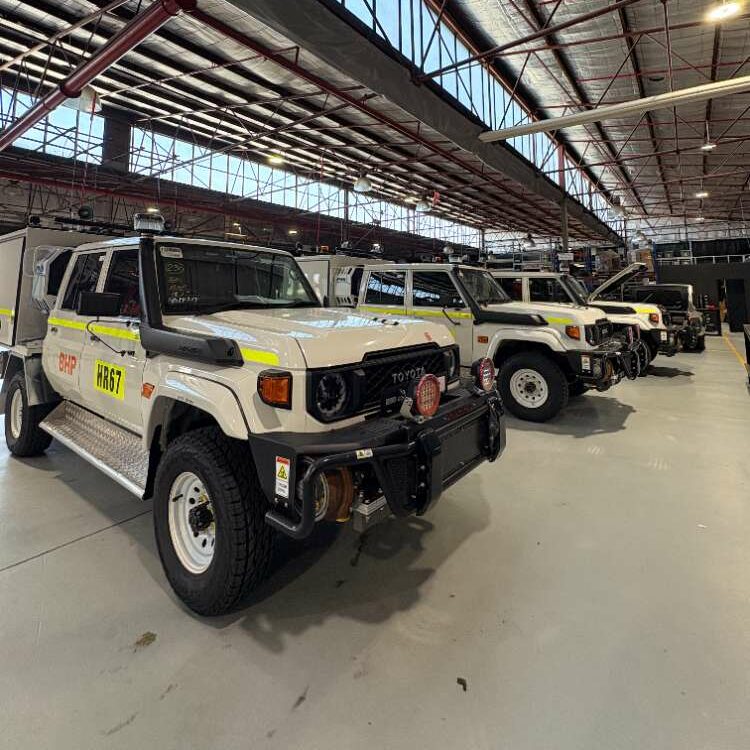
A good fleet vehicle maintenance checklist should cover more than oil changes and the occasional set of tyres. It should include daily safety checks, scheduled mechanical servicing, tyres and brakes, fluids, batteries and charging systems, lighting, electrical accessories, air conditioning, towing equipment and any site-specific safety gear fitted to the vehicle.
The key is to separate quick checks that drivers can perform before using a vehicle from inspections and servicing that need to be completed by qualified technicians.
For a business running multiple utes, vans, 4WDs, trucks or site vehicles, a consistent checklist also makes faults easier to spot before they turn into breakdowns. Less guesswork. Fewer nasty surprises on Monday morning.
A complete fleet maintenance program will normally involve more than one trade. Mechanical servicing, tyres, wheel alignment and suspension work may need to be handled by a mechanic or tyre specialist, while batteries, charging systems, wiring, lighting and installed electrical equipment fall into the auto electrical side of the vehicle.
Quick summary
- Drivers should perform a basic pre-start check before using a fleet vehicle and report faults instead of leaving them for the next person.
- Scheduled maintenance should cover tyres, brakes, steering, suspension, fluids, filters, cooling systems and other mechanical components according to the vehicle manufacturer’s requirements.
- Fleet electrical maintenance should include batteries, charging systems, wiring, lighting, cameras, communications, diagnostic faults and fitted accessories.
- Vehicles operating in mining, construction, remote areas or other harsh conditions may need more frequent inspections than vehicles used mainly for normal metropolitan driving.
- Every inspection, reported fault, repair and scheduled service should be recorded so fleet managers can identify recurring problems and plan maintenance before vehicles fail.
Fleet vehicle maintenance checklist at a glance
This is a practical starting point. The vehicle manufacturer’s service schedule, operating conditions, site requirements and your own fleet procedures should determine the final frequency.
| When | What to check | Usually checked by |
|---|---|---|
| Before driving | Tyres, visible leaks, warning lights, exterior lights, mirrors, cameras, windscreen, wipers, obvious damage, safety equipment and unusual noises | Driver |
| Regularly between services | Tyre pressure and tread, fluid levels, battery condition, washer fluid, lights, fitted accessories, trailer connections and vehicle cleanliness | Driver or fleet team |
| Scheduled service | Engine, oils and filters, brakes, steering, suspension, cooling system, driveline, tyres and other manufacturer-specified maintenance | Qualified mechanical service provider |
| Electrical inspection | Battery, alternator or charging system, wiring, earths, lighting, cameras, UHF, IVMS, accessory circuits, isolators and diagnostic faults | Auto electrician |
| After harsh use or an incident | Tyres, wheels, suspension, underbody, wiring, mounts, towing equipment, safety accessories and any components exposed to damage | Relevant qualified technician |
What should a fleet vehicle maintenance checklist include?
A fleet vehicle maintenance checklist should cover the whole vehicle, not just the items handled during a standard engine service.
The main areas are:
- Tyres and wheels
- Brakes
- Engine and drivetrain
- Engine oil and other fluids
- Filters
- Cooling system
- Steering and suspension
- Battery and charging system
- Vehicle wiring
- Headlights, indicators and work lighting
- Dash cameras and reverse cameras
- UHF radios and communications equipment
- IVMS or telematics equipment
- Air conditioning
- Windscreen, mirrors and wipers
- Towing equipment and trailer connections
- Safety equipment
- Site-specific equipment
- EV or hybrid systems where applicable
- Fault reporting and maintenance records
Not every item needs to be inspected at the same frequency.
A driver might look at the tyres and warning lights every morning. A mechanic may inspect the brakes and suspension at scheduled service intervals. An auto electrician may test the battery and charging system periodically or when a fault is reported.
That separation is what turns one massive checklist into something people will actually use.
What should drivers check before each shift?
A pre-start inspection should be quick enough to complete regularly but useful enough to catch obvious problems.
Drivers should check for anything that could make the vehicle unsafe, unreliable or unsuitable for the day’s work.
Driver pre-start checklist
- ☐ Tyres appear properly inflated
- ☐ No obvious tyre cuts, bulges or major damage
- ☐ Wheel nuts and wheel nut indicators appear normal, where fitted
- ☐ No obvious fluid leaks beneath the vehicle
- ☐ Windscreen is clean and undamaged
- ☐ Mirrors are secure and correctly positioned
- ☐ Wipers and washers operate correctly
- ☐ Headlights work
- ☐ Brake lights work
- ☐ Indicators work
- ☐ Reverse lights work
- ☐ Warning beacons and work lights operate where required
- ☐ Reverse camera displays correctly
- ☐ Dash camera powers up where fitted
- ☐ UHF or other communications equipment operates
- ☐ No unexpected dashboard warning lights remain illuminated
- ☐ Seatbelts operate correctly
- ☐ Loads, tools and equipment are secured
- ☐ Towbar, trailer connection and safety equipment appear secure where relevant
- ☐ Required first aid, fire or site safety equipment is present
- ☐ No unusual noises, smells or behaviour are noticed when starting or moving the vehicle
A driver is not expected to diagnose every fault. The job of a pre-start is to spot something unusual and report it.
If the same ute has needed three jump starts this month, writing “battery seems a bit sad” on the whiteboard is not much of a maintenance system.
How should tyres and wheels be maintained?
Tyres should be checked for pressure, tread condition, uneven wear, cuts, bulges and other visible damage.
Fleet vehicles can be particularly hard on tyres because loads and working conditions change constantly. A ute might spend Monday on metropolitan roads, Tuesday towing equipment and the rest of the week bouncing around a construction site.
Your tyre maintenance should consider:
- Correct pressure for the vehicle and load
- Tread depth and general condition
- Uneven or abnormal wear
- Cuts, cracking and sidewall damage
- Wheel damage
- Wheel nut security
- Spare tyre condition
- Wheel alignment
- Wheel balancing where required
Uneven tyre wear can also point to another problem, such as incorrect pressure, alignment issues or worn suspension components.
Vehicles that regularly operate on gravel, corrugated roads or worksites should be inspected more often than a lightly used metro vehicle.
For fleets using visual wheel nut markers, our guide to wheel nut indicators explains how they can make unexpected wheel nut movement easier to spot.
What should you check on fleet vehicle brakes?
Brakes should be inspected as part of scheduled mechanical servicing and whenever a driver reports a change in braking performance.
Warning signs can include:
- Increased stopping distance
- Brake pedal changes
- Pulling to one side while braking
- Grinding, scraping or squealing
- Vibration during braking
- Brake warning lights
- Fluid leaks
- Unusual smells after braking
- Changes in trailer braking behaviour
Do not rely only on a warning light. Pads, rotors, drums, brake fluid and other components wear over time, and the rate can vary significantly with vehicle weight, towing and driving conditions.
A heavily loaded work ute that spends its day towing is doing a different job from a sales rep’s hatchback. Its maintenance plan should reflect that.
Brake servicing and mechanical brake repairs should be handled by an appropriately qualified mechanical service provider.
How should engine fluids, filters and cooling systems be maintained?
Fleet vehicles should be serviced according to the manufacturer’s requirements, with operating conditions taken into account.
Mechanical maintenance may include checking or replacing:
- Engine oil
- Oil filters
- Air filters
- Fuel filters
- Engine coolant
- Brake fluid
- Transmission fluid
- Differential oils
- Power steering fluid where applicable
- Drive belts
- Radiator hoses
- Other manufacturer-specified service items
The exact list depends on the vehicle.
A diesel ute, petrol van, hybrid vehicle and battery-electric vehicle will not share the same maintenance schedule.
Dusty work can also clog air filters faster. Long periods of idling, towing, high temperatures and stop-start driving may create different maintenance demands from easy highway kilometres.
This is why blanket rules such as “service every fleet vehicle at exactly the same kilometre interval” can fall apart.
Start with the manufacturer’s schedule, then adjust your maintenance program around how the vehicle actually works.
What electrical systems should be included in fleet maintenance?
Modern work vehicles rely heavily on electrical systems. A vehicle can be mechanically healthy and still be stuck in the yard because the battery, alternator, wiring or an installed accessory has failed.
Electrical maintenance can include:
- Starter battery condition
- Battery load testing
- Battery terminals and connections
- Alternator or charging system output
- Earth connections
- Fuses and relays
- Wiring harness condition
- Signs of rubbing, heat or moisture damage
- Starter motor operation
- Dashboard warning lights
- Diagnostic fault codes
- Dual battery systems
- Battery isolators
- Inverters
- Solar charging equipment
- Anderson plugs
- Accessory outlets
- Work lighting
- Beacons
- Reverse alarms
- Cameras
- Communications systems
- IVMS hardware
This is particularly relevant once vehicles have been modified for work.
Every extra light, camera, fridge, radio, tracker, inverter or charging outlet adds another component to inspect and another electrical load that needs to be managed properly.
Voltaic’s existing guide on how to minimise fleet downtime goes further into preventative electrical maintenance and the effect electrical faults can have on vehicle availability.
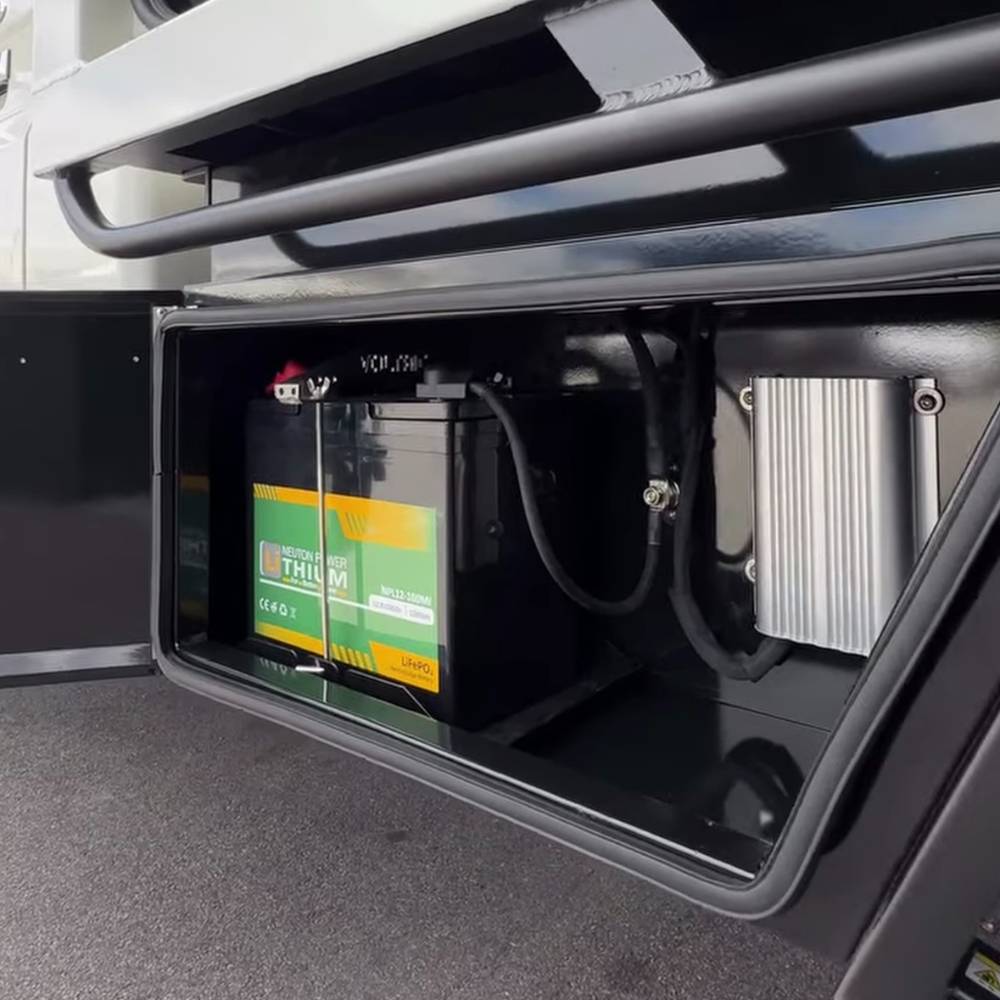
How should batteries and charging systems be maintained?
Do not wait until a vehicle refuses to start before thinking about its battery.
Battery condition should be monitored as part of preventative fleet maintenance, particularly for vehicles that:
- Perform frequent short trips
- Sit unused for extended periods
- Run cameras or tracking systems while parked
- Have multiple fitted accessories
- Use dual battery systems
- Work in extreme temperatures
- Operate remotely
- Have experienced previous starting or charging faults
Check the physical battery condition and connections, but periodic electrical testing can provide a much better picture than appearance alone.
A battery that looks perfectly respectable can still ruin someone’s morning.
Charging problems should also be investigated. Replacing a flat battery without checking why it went flat can result in the new one ending up in exactly the same condition.
What fitted electrical equipment needs regular inspection?
Fleet accessories need maintenance too.
A fit-out does not become invisible once the vehicle leaves the workshop.
Regularly test items such as:
- Dash cameras
- Reverse cameras
- UHF radios
- IVMS units
- GPS equipment
- Work lights
- Warning beacons
- Reverse alarms
- Handbrake alarms
- Key-on-light systems
- Battery isolators
- Dual battery systems
- Inverters
- Power outlets
- Solar systems
- Starlink equipment
- Brake controllers
- Trailer plugs
- Anderson plugs
Check that equipment still operates correctly, is securely mounted and has not suffered damage from vibration, heat, dust, water or day-to-day use.
Wiring routed through trays, canopies and external areas deserves particular attention on vehicles that work in harsh conditions.
For fleets using vehicle monitoring systems, our guide to in-vehicle monitoring systems explains what IVMS technology can monitor and where it fits into broader fleet management.
How should fleet lighting and visibility equipment be checked?
Lighting should be part of both pre-start inspections and scheduled maintenance.
Check:
- Headlights
- High beams
- Tail lights
- Brake lights
- Indicators
- Reverse lights
- Number plate lights
- Spotlights
- Light bars
- Work lights
- Warning beacons
- Mine bars
- Side or scene lighting where fitted
For roadgoing vehicles, standard lights need to operate correctly.
For work vehicles, there can be another layer of lighting fitted for the job itself. A failed beacon, reverse light or work light might not stop the engine from running, but it can make the vehicle unsuitable for a particular worksite or shift.
The maintenance plan should therefore include both the base vehicle and the equipment added during its fit-out.
What should be checked in steering, suspension and the driveline?
Steering, suspension and driveline components should be inspected during scheduled mechanical servicing and when drivers report unusual vehicle behaviour.
Things worth reporting include:
- Vehicle pulling to one side
- Steering vibration
- Excessive steering play
- New clunks or knocks
- Changes in ride height
- Uneven tyre wear
- Vibration under acceleration
- Driveline noises
- Fluid leaks
- Changes after carrying heavy loads or travelling on rough roads
Vehicles that spend their lives on corrugations, mine roads or construction sites can take a beating underneath.
After particularly harsh use, it may make sense to inspect the vehicle earlier rather than waiting blindly for the next scheduled service.
How should fleet vehicle air conditioning be maintained?
Air conditioning deserves a place on the fleet checklist, particularly in Western Australia.
Drivers can report:
- Air taking longer to cool
- Weak airflow
- Air no longer getting cold
- Unusual noises
- Unpleasant smells
- Compressor cycling problems
- Demisting performance changing
A declining air conditioning system is easier to investigate before the hottest day of summer than halfway through it.
Air conditioning also has extra importance in vehicles that spend long periods on the road, operate in remote areas or are used for long shifts.
For more information, see our guide to car air conditioning servicing.
What towing equipment should fleet managers inspect?
If fleet vehicles tow trailers, plant or equipment, add the towing system to the checklist.
Items can include:
- Towbar and mounting points
- Tow ball or coupling
- Trailer plug
- Trailer lights
- Safety chains
- Breakaway equipment where fitted
- Electric brake controller
- Anderson plugs
- Wiring
- Trailer tyres
- Trailer wheel bearings
- Trailer brakes
- Load restraint equipment
The towing vehicle and trailer should be treated as a system.
A perfectly maintained ute does not help much when the trailer plug has been dragged along the ground for three suburbs.
Trailer mechanical items should be maintained by the appropriate service provider, while electrical faults involving plugs, controllers, lights and wiring may need an auto electrician.
What safety equipment belongs on the maintenance checklist?
If equipment is fitted or carried for safety, make sure somebody is responsible for checking it.
Depending on the vehicle and work environment, this may include:
- Fire extinguishers
- First aid kits
- Wheel chocks
- Safety triangles
- Reflective markings
- Safety flags
- Reverse alarms
- Warning beacons
- Vehicle signage
- Emergency stops
- Battery isolators
- Roll-over protection equipment
- Wheel nut indicators
- Site-required communications equipment
Do not assume a piece of equipment is fine because it is still physically attached to the ute.
Check condition, mounting and operation where relevant, as well as any inspection, replacement or servicing requirements that apply to the individual item.
Different worksites can also have different vehicle requirements. Fleet managers should maintain vehicles against the actual sites and contracts they work on, not a generic “mine spec” list copied years ago.
For the broader safety side, see our guide explaining what fleet safety is.
What changes for mine, construction and remote fleets?
Harsh operating conditions usually justify closer inspection.
Vehicles exposed to:
- Dust
- Mud
- Water crossings
- Corrugated roads
- High ambient temperatures
- Long-distance remote travel
- Heavy accessory loads
- Continuous idling
- Towing
- Night work
- Mine or construction sites
may experience wear very differently from normal suburban vehicles.
The checklist may need more attention on:
- Wiring harness protection
- External connectors
- Mounting brackets
- Battery security
- Air filters
- Cooling systems
- Suspension
- Tyres
- Underbody condition
- Work lighting
- UHF equipment
- IVMS
- Beacons and warning systems
- Isolators
- Safety equipment
Use kilometres as one maintenance trigger, but do not make them your only one.
Operating hours, working conditions and driver fault reports can be equally useful for high-use fleet vehicles.
What changes for EV and hybrid fleet vehicles?
Electric and hybrid vehicles still need routine maintenance. The list is simply different.
Depending on the model, checks may include:
- Tyres
- Brakes
- Steering
- Suspension
- Windscreen and wipers
- Cabin filters
- Cooling or thermal management systems
- Air conditioning
- 12V auxiliary battery
- Charging port
- Charging cable
- Vehicle software or diagnostic faults
- High-voltage system warnings
- Underbody or battery enclosure damage
Regenerative braking can change how conventional brakes wear, but it does not mean the brake system can be ignored.
Likewise, an EV has no engine oil to change, but it still has plenty of components capable of wearing out or throwing a warning light when somebody is already late for a job.
Always use the manufacturer’s servicing requirements for the specific EV or hybrid model.
How often should fleet vehicles be maintained?
There is no single maintenance interval that suits every fleet vehicle.
Use several triggers together.
Before each shift or trip
Drivers perform quick visual and operational checks before the vehicle goes to work.
Between services
Fleet staff check items that do not require a technician every day but should not be ignored until the next major service.
Scheduled servicing
Qualified technicians complete servicing and inspections required by the vehicle manufacturer.
Electrical inspections
Electrical systems and work accessories are checked based on vehicle use, accessory load and previous fault history.
After a reported fault
Do not wait for the next scheduled service when a genuine fault has already been identified.
After harsh use or damage
Additional inspection may be needed after impacts, severe off-road use, water exposure or other events that could damage components.
Before major remote or site deployments, check that the vehicle is suitable, maintained and equipped before sending it somewhere a small fault becomes a large logistical problem.
For heavy vehicle operations, businesses should also follow any current maintenance, inspection and accreditation requirements that apply to the operator.
How should drivers report fleet maintenance problems?
Make fault reporting easy.
If reporting a fault requires finding Steve, asking where Steve left the clipboard, discovering the clipboard is in another vehicle and then filling out a form from 2019, people will stop reporting things.
A basic digital or paper fault report should capture:
- Vehicle registration or fleet number
- Date
- Odometer or operating hours
- Driver
- Description of the issue
- When it occurs
- Any dashboard warnings
- Whether the vehicle remains safe to operate
- Photos or video where useful
- Person responsible for follow-up
- Repair completed
- Repair date
- Technician or provider
- Any recommended future work
Drivers should also know which faults mean “report this when you return” and which mean “do not keep driving”.
Why should fleet maintenance records be kept?
Records turn maintenance from memory into a system.
For each vehicle, keep track of:
- Service dates
- Odometer readings
- Inspection records
- Driver-reported faults
- Repairs
- Battery replacements
- Tyre replacements
- Brake work
- Electrical repairs
- Diagnostic results where relevant
- Accessory installation dates
- Air conditioning work
- Incident-related repairs
- Recurring faults
- Next scheduled maintenance
This makes patterns easier to identify.
If four vehicles fitted with the same component develop the same fault, that is much more useful to know than treating each repair as an isolated event.
Records also make vehicle replacement decisions easier because you can see what each unit is actually costing to keep on the road.
For the wider operational side, see our guide on how to manage a fleet of vehicles.
Who should perform each fleet maintenance task?
A good maintenance program gives each task to the right person.
Drivers
Daily visual inspections, basic operational checks and fault reporting.
Fleet managers
Scheduling, overdue maintenance, fault trends, records and taking unsuitable vehicles out of service.
Mechanical technicians
Engine servicing, mechanical brake work, steering, suspension, driveline repairs and other mechanical maintenance.
Tyre specialists
Tyre replacement, balancing, wheel alignment and tyre-related advice.
Auto electricians
Batteries, charging systems, starter systems, vehicle wiring, lighting, cameras, communications equipment and accessory circuits.
Specialist technicians
Specialist systems on EVs, heavy vehicles, refrigeration vehicles or equipment with specific manufacturer or site requirements.
The goal is not to make one workshop do everything.
It is to make sure nothing falls between the cracks.
What are the most common fleet maintenance mistakes?
Waiting for something to fail
Reactive maintenance feels cheaper right up until a breakdown takes a vehicle and employee out of action.
Treating every vehicle the same
A lightly used metro van and a remote service ute should not automatically receive identical maintenance.
Ignoring electrical equipment
Added cameras, lights, radios, trackers, power systems and accessories need inspection too.
Missing small driver complaints
Intermittent starting, flickering lights, vibrations and occasional warning lights can be early clues.
Poor fault records
If nobody can see that the same issue has happened four times, nobody can fix the underlying pattern.
Skipping checks after modifications
A newly fitted canopy, accessory, towing setup or electrical system may change loads, wiring and maintenance requirements.
Forgetting trailers
If your business owns it and sends it down the road, it deserves a maintenance plan.
Letting servicing become overdue
One missed service becomes two surprisingly fast once every vehicle is busy.
How do you build a fleet preventative maintenance program?
Start simple.
Create a vehicle register
Record the make, model, registration, VIN, odometer, normal use and key fitted equipment for every vehicle.
Separate vehicles by duty
Group metro vehicles, trade utes, remote vehicles, mine-spec vehicles, heavy vehicles, EVs and other vehicles with similar workloads.
Use the manufacturer schedule
Record each vehicle’s required servicing and inspection intervals as the maintenance baseline.
Add checks for actual use
Consider towing, dust, heavy loads, long idle time, remote travel, electrical accessories and site requirements.
Create a short pre-start
Keep the daily driver inspection practical enough that it can actually be completed consistently.
Create a fault process
Drivers need to know how to report a fault, who receives it and what happens next.
Assign each category
Mechanical, tyre, auto electrical, air conditioning and specialist work should each have a clear owner.
Track recurring problems
Do not just record what was repaired. Look for recurring faults across individual vehicles and the wider fleet.
Standardise where possible
Consistent fleet specifications can make parts, servicing, training and fault finding easier.
Review the program
Vehicles age, equipment changes and new worksites introduce different requirements. Update the checklist as the fleet changes.
Keep your fleet ready for work
A fleet vehicle maintenance checklist works best when it covers the whole vehicle and gives each person a clear job.
Drivers handle everyday observations. Mechanical technicians take care of scheduled mechanical servicing. Tyre specialists look after tyres and alignment. Auto electricians maintain batteries, charging systems, wiring and the growing amount of electrical equipment fitted to modern work vehicles.
Voltaic supports Perth businesses with fleet vehicle fit-outs, electrical repairs, auto diagnostics, batteries, lighting, cameras, communications equipment, site-ready electrical systems and vehicle air conditioning.
Our fleet work covers vehicles used across mining, construction, pilot operations, road safety and traffic management.
Need help with the electrical side of your fleet?
If an electrical issue keeps appearing across your fleet, or your vehicles need a more reliable electrical maintenance and fit-out approach, talk to the Voltaic team.