

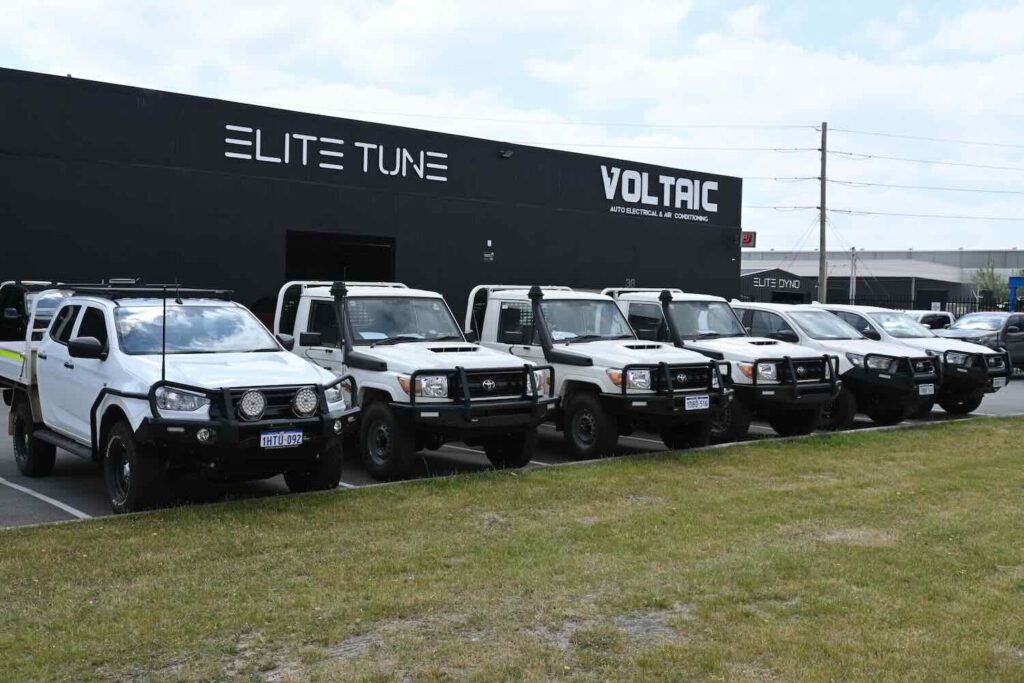
Fleet safety is the way a business keeps its work vehicles, drivers, passengers, equipment, cargo and other road users safe. It covers the condition of each vehicle, how it is fitted out, how drivers use it, how risks are managed, and whether the vehicle is suitable for the job.
In simple terms, fleet safety is not just “drive carefully and hope for the best.” That is not a strategy. That is crossed fingers with a fuel card.
For businesses running utes, 4WDs, trucks, vans, mine-spec vehicles, pilot vehicles, traffic management vehicles or mobile plant, fleet safety needs to be planned properly. A work vehicle can be considered a workplace, which means the risks connected to using that vehicle need to be managed like any other workplace risk.
At Voltaic, we work with fleet vehicles across mining, construction, pilot vehicle, road safety and traffic management industries, helping businesses build safer, more capable vehicles through practical auto electrical fit-outs, repairs and upgrades.
Quick Summary
- Fleet safety is about keeping drivers, vehicles, equipment and road users safe.
- It includes vehicle selection, maintenance, driver behaviour, compliance, fit-outs and monitoring.
- A safe fleet should be built around the real work the vehicle performs.
- Dash cams, reverse cameras, UHF radios, lighting, dual batteries, diagnostics and mine-spec equipment can all support safer operations.
- For heavy vehicle operators, Chain of Responsibility laws may apply, meaning safety duties extend beyond the driver.
Why Fleet Safety Matters
Fleet safety matters because work vehicles are exposed to risk every day. They travel long distances, carry tools and equipment, operate around pedestrians, enter worksites, tow trailers, drive in poor weather, reverse in tight spaces and often work under time pressure.
A single poorly maintained or badly fitted-out vehicle can create problems fast. Think failed lighting on a night shift, no reverse camera in a busy depot, poor UHF communication on a remote site, overloaded accessories draining the starting battery, or a driver with no camera evidence after a road incident. None of that is ideal. Some of it is expensive. Some of it is dangerous.
Fleet safety helps reduce:
- Vehicle accidents
- Driver injuries
- Downtime
- Equipment damage
- Compliance issues
- Insurance headaches
- Site access problems
- Poor visibility and communication
- Costly reactive repairs
For Perth businesses working in mining, construction, civil works, logistics, traffic management or remote operations, fleet safety is also a productivity issue. A safe, well-prepared vehicle is less likely to hold up a crew, miss a site start, or come back on a tilt tray looking sorry for itself.
What Fleet Safety Includes
| Safety Area | What It Covers | Why It Matters |
|---|---|---|
| Vehicle Selection | Choosing the right ute, van, 4WD, truck or site vehicle for the work it needs to perform. | A vehicle that is not suited to the job can create load, towing, visibility, access and electrical issues before the day even starts. |
| Maintenance | Servicing, tyres, brakes, batteries, lighting, air conditioning, diagnostics and accessory checks. | Small faults can quickly turn into breakdowns, downtime or safety risks. Nobody wants a site ute becoming a very expensive paperweight. |
| Driver Safety | Licence checks, inductions, fatigue controls, journey planning, seatbelt use and incident reporting. | Even a well-built vehicle needs a safe driver behind the wheel. Good systems help reduce rushed decisions and avoidable mistakes. |
| Communication | UHF radios, antennas, radio placement, power supply and remote communication support. | Clear communication helps drivers report hazards, coordinate movements and stay connected when phone reception disappears. |
| Visibility | Work lights, beacons, reverse alarms, reflective markings, mine-spec lighting and warning systems. | If people cannot see the vehicle, they cannot avoid it. Visibility is critical on worksites, roadsides and night shifts. |
| Monitoring | Dash cams, reverse cameras, GPS, IVMS, diagnostics and driver monitoring systems. | Technology can support safer driving, better evidence, faster fault finding and smarter fleet decisions. |
Fleet safety is made up of several moving parts. The best systems are practical, repeatable and easy for drivers and managers to follow.
Safe Vehicle Selection
Fleet safety starts before a vehicle hits the road. The vehicle needs to match the job. A light ute used for metro quoting has different safety needs from a 4WD heading to a remote mine site. A traffic management vehicle has different requirements again.
A safe vehicle selection process should consider:
- Load requirements
- Towing needs
- Site access requirements
- Visibility
- Driver comfort
- Safety technology
- Electrical capacity
- Communication needs
- Accessory requirements
For example, a mine-spec 4WD may need emergency lighting, UHF radio, wheel chocks, battery isolation, reverse alarms, reflective markings, safety flags and site-specific equipment. A basic van used around Perth may need a dash cam, reverse camera and reliable lighting. Same safety goal. Different build.
Vehicle Maintenance
A fleet vehicle that is not maintained properly is a risk with number plates.
Maintenance should include routine servicing, tyre checks, brake checks, battery testing, lighting checks, air conditioning checks, accessory inspections and electrical diagnostics. Auto electrical faults can be especially annoying because they often start small, then turn into a full-blown “why won’t this thing start?” moment at the worst possible time.
Regular auto diagnostics can help identify electrical issues before they cause breakdowns, warning lights, battery drain or accessory failures. For fleets, that means fewer surprises and better control over downtime.
Driver Safety
Drivers are a major part of fleet safety. Even the best fit-out will not save a vehicle from poor habits, fatigue or rushed decisions.
Driver safety should cover:
- Licence checks
- Inductions
- Site driving rules
- Fatigue management
- Journey planning
- Seatbelt use
- Mobile phone policies
- Pre-start inspections
- Incident reporting
Fatigue is a big one for commercial drivers, especially in WA where long drives are part of the job. A good rule? If the driver is cooked, the trip can wait. Vehicles can be repaired. People are a bit harder to replace.
Communication Systems
For vehicles working on sites, in convoys, on remote roads or around mobile plant, communication is a safety tool. Not a nice-to-have. Not a toy for weekend warriors. A proper radio setup can help drivers report hazards, coordinate movements, call for help and stay in contact when mobile reception drops out.
A professionally installed UHF radio can support safer communication for fleet vehicles used in mining, construction, civil works, traffic management and remote travel. Placement, wiring, antenna selection and power supply all matter. A loose radio bouncing around the cab is not exactly peak professionalism.
Visibility and Warning Systems
If people cannot see your vehicle, they cannot avoid it. Fleet safety often depends on making vehicles more visible in the right way.
This can include:
- LED work lights
- Beacons
- Warning lights
- Reverse alarms
- Reflective markings
- Mine-spec lighting
- Emergency vehicle lighting
- High-mounted brake lights
- Site-specific lighting setups
The right car lighting installation can improve visibility for night work, remote driving, site access, loading areas and roadside operations. The key is fitting lighting that suits the task without creating glare, wiring problems or unnecessary battery drain.
Reversing and Blind Spot Safety
Reversing is one of the most common risk points for fleet vehicles, especially in depots, car parks, worksites and areas with pedestrians. Utes, vans, trucks and service vehicles often carry canopies, toolboxes, signage, equipment or trailers, which can reduce rear visibility.
A properly installed reverse camera can help drivers see what is behind them before they move. It does not replace mirrors, checking surroundings or using a spotter when needed, but it gives drivers another set of eyes where they need it most.
For fleet vehicles, reverse cameras are especially useful for:
- Vans with limited rear windows
- Utes with canopies
- Vehicles towing trailers
- Site vehicles working near people
- Traffic management vehicles
- Mine-spec and construction vehicles
Cleaner vision. Safer reversing. Fewer “I swear that bollard jumped out” moments.
Dash Cams and Incident Recording
Dash cams can support fleet safety by recording road incidents, driver behaviour, near misses and disputes. They are useful for training, insurance support, reviewing incidents and protecting drivers from false claims.
A professionally installed dash cam is usually a better option than a cheap DIY setup with a cable hanging down the windscreen like spaghetti. Neat wiring, correct power supply and proper camera placement all matter.
For fleets, dash cams may help with:
- Incident evidence
- Driver coaching
- Insurance claims
- Road behaviour reviews
- Dispute reduction
- Asset protection
The goal is not to spy on drivers. The goal is to keep everyone accountable and safe.
Fleet Safety and Compliance
Fleet safety is closely tied to compliance. Depending on your industry, vehicles may need to meet workplace safety requirements, road rules, site access standards, client requirements, mine-spec standards or heavy vehicle obligations.
For everyday fleet operators, compliance can also involve:
- Vehicle roadworthiness
- Load restraint
- Towing equipment
- Driver licences
- Fatigue controls
- Maintenance records
- Site vehicle standards
- Electrical accessory safety
- Pre-start checklists
- Incident reporting
This is where fleet safety gets practical. A business does not just need a policy sitting in a folder. It needs vehicles that are actually built, maintained and equipped to meet the work they do.
Fleet Safety for Mining and Site Vehicles
Mining and construction fleets often need more than standard road-going safety gear. Site vehicles may need specific equipment before they are allowed through the gate.
Common mine-spec and site-ready fit-out items may include:
- Battery isolators
- UHF radios
- Reverse alarms
- Fire extinguishers
- Safety flags
- Warning lights
- Reflective tape
- Wheel chocks
- First aid kits
- Emergency stops
- Mine bars
- Lighting upgrades
- Anderson plugs
- Dual battery systems
- Vehicle signage
Our mine spec vehicle fit-out team works with fleet vehicles that need to meet tougher site requirements. This is not about throwing accessories at a vehicle and calling it done. It is about building a setup that suits the site, the job and the vehicle.
Electrical Fit-Outs and Fleet Safety
Auto electrical work plays a huge role in fleet safety. Modern fleet vehicles often rely on multiple systems working together, including cameras, radios, lights, GPS, battery systems, brake controllers, diagnostics, telematics, charging outlets and safety equipment.
Poor installation can create problems such as:
- Battery drain
- Blown fuses
- Loose wiring
- Faulty accessories
- Interference between systems
- Fire risks
- Unreliable communication
- Failed lighting
- Warranty headaches
- Downtime
A proper fleet vehicle fit-out should be planned around the vehicle’s purpose. A traffic management ute, mine-spec 4WD, pilot vehicle, service van and construction truck should not all be treated the same.
At Voltaic, we focus on neat, reliable and practical installations. Because when a vehicle is out on site, “she’ll be right” is not a wiring standard.
Fleet Safety Technology
Technology can support fleet safety, but it needs to be chosen properly. The best fleet tech is the gear that solves a real problem without making the vehicle harder to use.
Useful fleet safety technology may include:
- Dash cams
- Reverse cameras
- GPS tracking
- UHF radios
- Driver monitoring systems
- IVMS systems
- Lighting upgrades
- Dual battery systems
- Brake controllers
- Vehicle diagnostics
- Starlink systems for remote connectivity
For example, a remote fleet vehicle might need UHF for site communication, Starlink for connectivity, a dual battery system to keep accessories running, dash cams for recording, and upgraded lighting for night work. That setup needs to work as one clean system, not as five separate ideas fighting for power under the dash.
For vehicles carrying accessories, a dual battery system can help run equipment without draining the main starting battery. That is especially useful for fleet vehicles running fridges, radios, lighting, laptops, inverters or remote work gear.
| Fleet Safety Upgrade | Best Suited To | How It Helps |
|---|---|---|
| Dash Cameras | Utes, vans, 4WDs, trucks, traffic management vehicles and road-going fleet vehicles. | Records incidents, near misses and road behaviour, helping with reviews, driver coaching and insurance support. |
| Reverse Cameras | Vans, canopy utes, service vehicles, towing vehicles, mine-spec vehicles and construction fleets. | Improves rear visibility when reversing around pedestrians, equipment, trailers, bollards and tight depot spaces. |
| UHF Radios | Mining, civil, construction, traffic management, convoy travel and remote fleet vehicles. | Supports clear communication on site, between vehicles and in areas where mobile coverage is about as useful as a flat spare. |
| Lighting Upgrades | Night work, roadside operations, remote travel, loading zones, mine sites and traffic control vehicles. | Improves visibility for drivers and other workers while helping the vehicle stand out in higher-risk environments. |
| Dual Battery Systems | Vehicles running fridges, radios, laptops, lighting, inverters, chargers or remote work accessories. | Keeps accessories powered without draining the main starting battery, which helps avoid the dreaded click-click-nothing moment. |
| Electric Brake Controllers | Fleet vehicles towing trailers, plant, caravans, equipment or site gear over longer distances. | Helps improve braking control when towing, especially with heavier loads or changing road conditions. |
| Auto Diagnostics | Any fleet vehicle with warning lights, electrical faults, battery drain, accessory issues or intermittent failures. | Helps identify problems early, reduce guesswork and prevent small faults becoming full-blown downtime dramas. |
Towing and Fleet Safety
If your fleet vehicles tow trailers, plant, equipment or caravans, towing safety needs to be part of the plan. A towing setup is only as safe as the weakest link.
Fleet towing safety should consider:
- Trailer weight
- Brake controller setup
- Towbar rating
- Load balance
- Tyre pressure
- Lighting connections
- Anderson plugs
- Breakaway systems
- Driver training
- Regular inspections
If a trailer exceeds 750kg Gross Trailer Mass, it needs an effective braking system, and an electric brake controller is commonly used for safe braking control. Our electric brake controller installation service helps fleets tow with better control, especially when carrying work gear, machinery or site equipment.
How to Improve Fleet Safety
Improving fleet safety does not need to be overcomplicated. Start with the risks that actually affect your vehicles and drivers.
1. Audit the Fleet
Check each vehicle against how it is used. Is it fitted out for the job? Are accessories working? Are drivers reporting faults? Are there recurring issues across the fleet?
2. Standardise Fit-Outs
Where possible, create standard build levels for different vehicle types. For example, a metro service vehicle, site-ready ute, mine-spec 4WD and traffic management vehicle may each have a different standard setup.
3. Schedule Inspections
Do not wait until something fails. Build regular inspections into the fleet process, covering batteries, lighting, cameras, radios, charging points, brake controllers and safety accessories.
4. Fix Faults Early
Small electrical issues can become big downtime problems. Flickering lights, intermittent cameras, weak batteries or radio dropouts should be checked before they fail on site.
5. Keep Records
Maintenance records, fit-out details, inspection sheets and incident reports help show what has been done and what needs attention. Good records also make fleet management less painful. Always a win.
6. Train Drivers
Drivers need to know how the vehicle’s systems work. That includes cameras, radios, brake controllers, battery systems, warning lights and site-specific controls.
7. Use Expert Installers
Fleet safety equipment needs to be installed properly. A tidy, well-planned installation is safer, easier to maintain and less likely to cause faults later.
Common Fleet Safety Mistakes
The biggest fleet safety mistakes usually come from rushing, guessing or treating every vehicle the same.
Common issues include:
- Buying accessories before planning the full fit-out
- Using cheap equipment that fails under real work conditions
- Overloading the electrical system
- Skipping driver feedback
- Ignoring small faults
- Letting vehicles leave site with failed lights or cameras
- Not documenting repairs or changes
- Installing gear without thinking about future servicing
- Assuming compliance is handled because “the vehicle looks right”
A good fleet safety setup should be practical. It should help the driver do the job safely. It should also be easy for the business to maintain. If nobody understands how it works, it will become a problem.
Who Is Responsible for Fleet Safety?
Fleet safety is shared across the business. Drivers play a big part, but they are not the only ones responsible.
Fleet safety may involve:
- Business owners
- Fleet managers
- Operations managers
- Drivers
- Site supervisors
- Maintenance teams
- Contractors
- Vehicle installers
- Safety managers
- Procurement teams
For heavy vehicle operations, this shared responsibility is even clearer under Chain of Responsibility laws. But even for light vehicle fleets, the same practical idea applies. If your business puts someone in a vehicle for work, that vehicle needs to be safe and suitable for the job.
Final Thoughts
Fleet safety is about building safer vehicles, supporting safer drivers and reducing the risks that cause downtime, damage and injury. It covers everything from maintenance and driver behaviour to lighting, cameras, radios, diagnostics, towing gear and site-ready fit-outs.
For Perth fleets, especially in mining, construction, civil works, traffic management and remote operations, the safest setup is the one built around real work conditions. Not guesswork. Not shortcuts. Not “we’ll fix it after the next breakdown.”
At Voltaic, we help businesses build safer, more reliable fleet vehicles with practical auto electrical fit-outs, diagnostics and safety upgrades. From basic service vehicles to advanced site-ready builds, we make sure your fleet is ready for the job.
Need safer fleet vehicles without the drama? Book your fleet fit-out or inspection with Voltaic and keep your team moving with confidence.