
Expert reverse camera installers in Perth
Reversing cameras are standard equipment on many new vehicles sold in Australia.
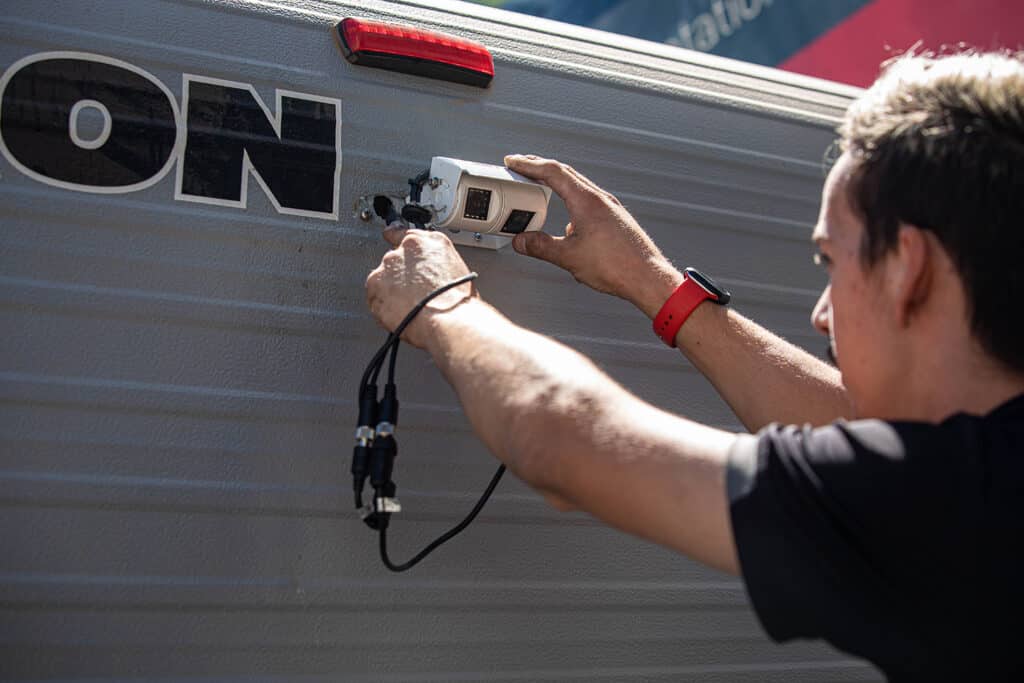
If your vehicle isn’t equipped with a reversing camera, don’t worry! Our expert technicians can install one for you at an affordable price. Your camera will be hardwired to your vehicle and connected directly to your car’s electrical power system. This ensures the reversing camera always has power when you need it.
Your camera will be installed discreetly and won’t interfere with your vehicle’s electrical systems. If you need to return your vehicle to original condition at the time of sale, no problem! We fit them so they can easily be removed when you sell your vehicle.
Types of Reverse Cameras
When it comes to reverse camera installation, choosing the right type of camera is essential for ensuring optimal performance and compatibility with your vehicle. There are several types to consider:
Wired Reverse Cameras
Wired reverse cameras are the most common type of system and offer reliable, high-quality video feeds. They provide a direct connection between the camera and the display unit, ensuring a stable signal with minimal interference. While installation can take longer due to the need to run wires through the vehicle, wired cameras are typically more durable and less prone to issues compared to wireless systems.
Advantages of Wired Systems:
- Stable Signal: The direct connection between the camera and the display ensures a consistent video feed, with little to no signal loss.
- Durability: Wired systems tend to be more robust and less affected by environmental interference, such as radio waves or weather conditions.
- Ideal for Larger Vehicles: Larger vehicles or those with complex electrical systems benefit from the stable power supply offered by wired cameras.
Installation Considerations:
- Requires running wires from the camera to the display, which may involve removing panels or parts of the vehicle.
- More time-consuming and complex compared to wireless systems.
Wireless Reverse Cameras
Wireless reverse cameras are gaining popularity due to their ease of installation. As the name suggests, these systems transmit the video feed from the camera to the display unit via a radio frequency, eliminating the need for extensive wiring. While they are quicker and simpler to install, wireless cameras may be susceptible to signal interference and typically offer slightly lower video quality than their wired counterparts.
Advantages of Wireless Systems:
- Easy Installation: No need for running wires through the vehicle, making the installation process much quicker and less invasive.
- Cleaner Appearance: Wireless systems reduce the amount of visible wiring in the vehicle, offering a more streamlined and aesthetically pleasing installation.
- Flexibility: Wireless systems are ideal for vehicles with limited space or when a non-invasive installation is preferred.
Considerations:
- Signal Interference: Wireless systems may experience signal degradation in large vehicles, or areas with high electronic interference.
- Reduced Video Quality: The video feed may not be as clear as that of wired systems, particularly in challenging conditions or on larger vehicles.
Mounting Options for Reverse Cameras
Choosing the right mounting option depends on factors such as the vehicle type, aesthetic preferences, and desired functionality. Whether you prioritise ease of installation, sleekness, or durability, each option provides a viable solution for enhancing your vehicle’s safety while reversing.
Surface-Mount Cameras
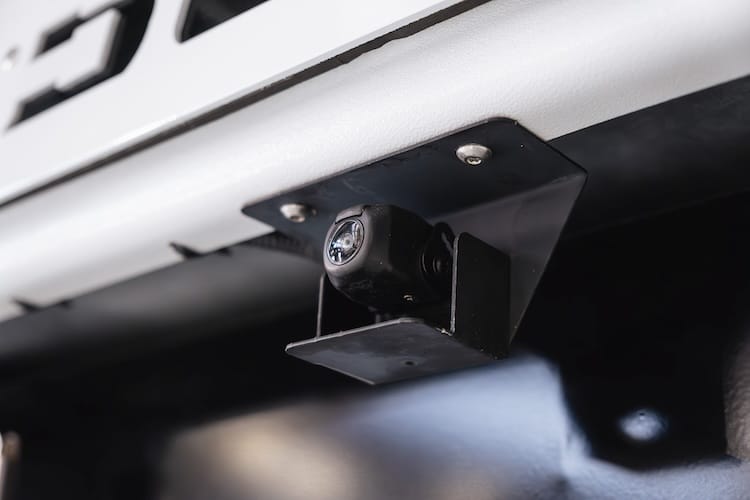
Surface-mount cameras are the most common and easy-to-install option. These cameras are mounted on the outside of the vehicle, typically on the rear bumper or license plate frame. The camera is often designed to blend in with the vehicle’s exterior, providing a discreet yet effective view of the area behind the car.
Pros
- Simple Installation: These cameras are quick to install without needing to drill into the vehicle.
- Visibility: Offers a clear, wide-angle view of the area directly behind the vehicle.
- Cost-Effective: Surface-mount cameras are typically more affordable and widely available.
Cons
- Exposed to the Elements: Being mounted on the exterior, they may be more susceptible to dirt, water, or debris, requiring occasional cleaning to maintain clarity.
Flush-Mount Cameras
Flush-mount cameras are installed into a hole drilled into the vehicle’s bumper or other body parts, making them a more seamless, low-profile option. The camera is flush with the surface of the vehicle, offering a cleaner look and less exposure to the elements.
Pros
- Aesthetic Appeal: Flush-mount cameras offer a more integrated look, as they are embedded into the vehicle’s surface, providing a sleek and professional appearance.
- Protected from Damage: Since they’re installed within the vehicle’s body, they’re less exposed to impact or weather conditions.
Cons
- More Complex Installation: Installing a flush-mount camera requires drilling into the vehicle, which can be more complicated and might void warranties if not done correctly.
- Cost: These cameras tend to be more expensive due to the additional installation work required.
License Plate Frame Cameras
License plate frame cameras are integrated into the frame of the vehicle’s license plate, offering a convenient and easily accessible installation point. This option combines functionality with a clean aesthetic, as it doesn’t require additional drilling or significant modifications to the vehicle.
Pros
- Easy Installation: These cameras typically require no drilling, as they replace the vehicle’s existing license plate frame.
- Affordable: License plate frame cameras are usually cost-effective and widely available.
- Discreet Design: The camera is hidden within the frame, offering a professional look while still delivering effective rear visibility.
Cons
- Limited View: Depending on the design of the frame and the camera angle, the visibility might be more limited compared to surface-mount or flush-mount cameras.
- Potential for Obstruction: In some cases, the license plate itself or the frame may obstruct the camera’s view, especially if the vehicle has a taller rear end or a large spoiler.
How to Install a Reverse Camera
Installing a reverse camera involves several key steps to ensure everything works seamlessly and enhances your driving safety. Here's how we do it:
Reverse camera installation cost
The reverse camera installation price varies, depending on your vehicle type and specific requirements. Our rates start at $165 per hour on top of the cost of the camera and equipment required for the system.
Installation typically takes 2-4 hours depending on the type of camera, the installation location, and the complexity of the work involved.
We can install either your own camera or we can supply you a variety of options to suit your needs. If you choose to purchase a camera from us, we can normally save you some installation cost as we are familiar with our products.
Our Google Reviews


A special mention to Finn, who even called me after hours after I’d picked up my car to make sure everything was okay and that everything was operating exactly as it should. That level of care and follow-up really says a lot about the team.
It’s great to see young apprentices getting the opportunity to learn and build their skills, and I’d happily recommend Voltaic to anyone. Thanks again for looking after my vehicle — really appreciate the quality work and genuine customer service!


Paul went the extra mile and provided more than we required
Thanks


FAQs
Are reversing cameras mandatory?
In Australia, reversing cameras are not currently mandatory for all vehicles. However, they are required for new cars manufactured after 2018, in line with safety standards introduced by the Australian government. While not required by law for all vehicles, reverse cameras significantly improve driving safety and can help avoid accidents when reversing, especially in tight or crowded spaces.
Is a reversing camera a necessity?
While a reverse camera is not a legal requirement for all vehicles, it is highly recommended for safety reasons. Reverse cameras help eliminate blind spots and provide a clearer view of what’s behind you, reducing the risk of accidents. If you regularly park in tight spaces or reverse in areas with limited visibility, a reverse camera is an essential tool to improve your safety on the road.
Can a reversing camera be fitted to any car?
Yes, a reverse camera can generally be fitted to any car. Whether you have a modern vehicle with an infotainment system or an older model, we can provide a reverse camera solution that integrates seamlessly. Our experts at Voltaic Auto Electrical can fit a reverse camera to almost any car, ensuring proper installation and optimal performance.
What are the benefits of reverse camera installation?
Installing a reverse camera in your vehicle offers numerous benefits:
- Enhanced Safety: Reverse cameras help reduce blind spots and provide a clearer view of what’s behind you, preventing accidents, especially when reversing in tight spaces or busy areas.
- Increased Vehicle Value: A reverse camera can add value to your vehicle, making it more attractive to potential buyers when you decide to sell.
- Improved Parking: It’s easier to park in tight spaces when you have a clear view of the area behind your car, avoiding scratches or accidents.
- Peace of Mind: Knowing that you can see what’s behind you while reversing gives you more confidence, especially in environments where children or pets may be present.
- Compliance with Safety Standards: For newer vehicles, reverse cameras are often required to meet safety standards, ensuring your vehicle is up to date with current regulations.
We ensure that each reverse camera installation is done professionally, enhancing your vehicle’s functionality and safety.
How does a reverse camera work?
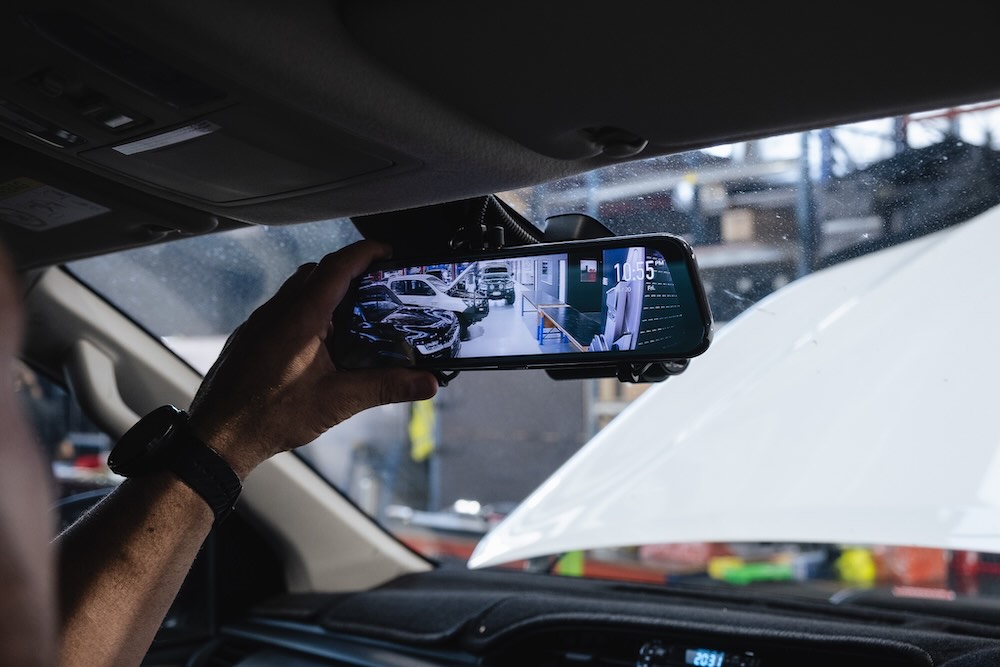
A reverse camera works by using a small camera mounted on the rear of your vehicle to capture video footage of the area behind you. When you put your vehicle in reverse, the camera is powered on, and the video feed is transmitted to a display unit inside your car. The display unit can be an in-dash screen, a rear-view mirror with an integrated display, or a separate monitor mounted on the dashboard.
The camera typically has a wide-angle lens to capture a broad view of the area directly behind your vehicle, providing better visibility and helping you avoid obstacles, pedestrians, or other vehicles. Many modern systems also include features like dynamic guidelines on the display, which adjust as you turn the steering wheel, further assisting with parking and reversing.
Overall, a reverse camera gives you real-time visual feedback when reversing, enhancing safety by reducing blind spots and helping you park more confidently.