

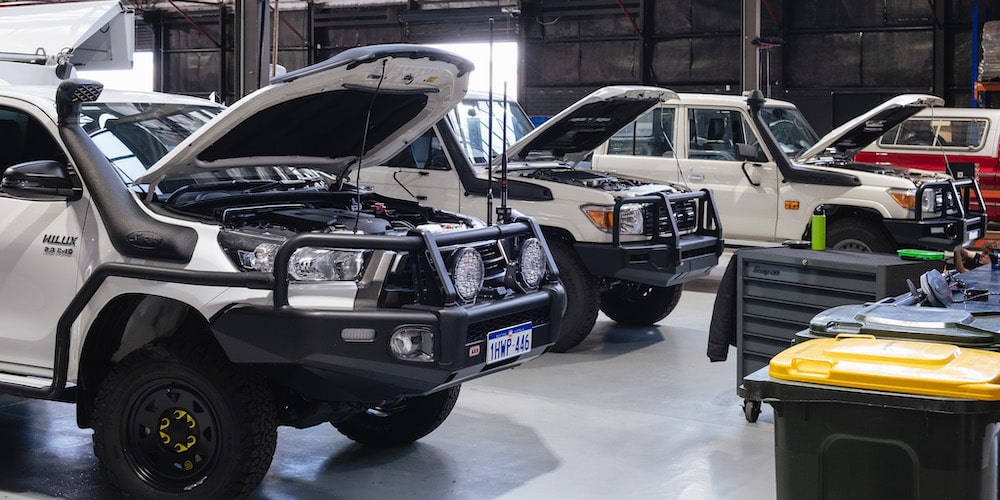
If you’re wondering how to manage a fleet of vehicles, here’s the straight answer from an auto electrician’s perspective: you manage the electrics first.
Modern fleets live and die by their electrical systems. Batteries, wiring, lighting, telematics, safety systems, dash cams, brake controllers, dual batteries, air conditioning, mine-spec compliance, EV charging. When these fail, vehicles stop. When vehicles stop, revenue stops.
Fleet management is not just about servicing intervals and fuel cards. It’s about electrical reliability, compliance, safety, and smart fit-outs that support how your team actually works.
At Voltaic Auto Electrical, we’ve been supporting fleets across Perth since 2017, from mining and construction to traffic management and service trades. This guide breaks down exactly how to manage a fleet properly from an electrical and operational standpoint.
Quick Summary
From an auto electrical perspective, effective fleet management means:
- Standardise vehicle fit-outs
- Schedule preventative electrical maintenance
- Track diagnostics and patterns
- Ensure compliance
- Upgrade lighting and safety systems
- Install technology properly
- Prepare for EV integration
- Reduce downtime with field servicing
- Track long-term costs
- Partner with experienced specialists
1. Start With a Clear Fleet Strategy
Before you touch a vehicle, you need a plan.
Ask yourself:
- What does each vehicle actually do?
- What equipment does it need?
- What downtime costs you per day?
- What compliance standards apply?
A mining light vehicle has very different requirements to a plumbing ute. A traffic control vehicle needs compliant lighting. A 4WD heading remote needs dual batteries and UHF radios.
Managing a fleet properly means standardising specifications per vehicle type. That includes:
- Approved lighting packages
- Battery specifications
- Communication systems
- Safety equipment
- Telematics and dash cams
Without standardisation, you end up with a patchwork fleet that is harder and more expensive to maintain.
2. Build a Preventative Electrical Maintenance Schedule
This is where most fleets fall short.
Mechanical servicing is scheduled. Electrical systems often get ignored until something fails.
Bad move.
To manage a fleet of vehicles properly, you need:
- Battery testing every service cycle
- Alternator output checks
- Wiring inspections
- Earth integrity testing
- Air conditioning inspections
- Diagnostic scans
For example, fleet batteries often fail without warning. We regularly see avoidable breakdowns caused by poor charging systems or ageing batteries. If you’ve ever read about why car batteries die in winter, you’ll know temperature and load stress play a huge role.
Preventative checks are cheaper than roadside callouts.
3. Standardise Fit-Outs Across the Fleet
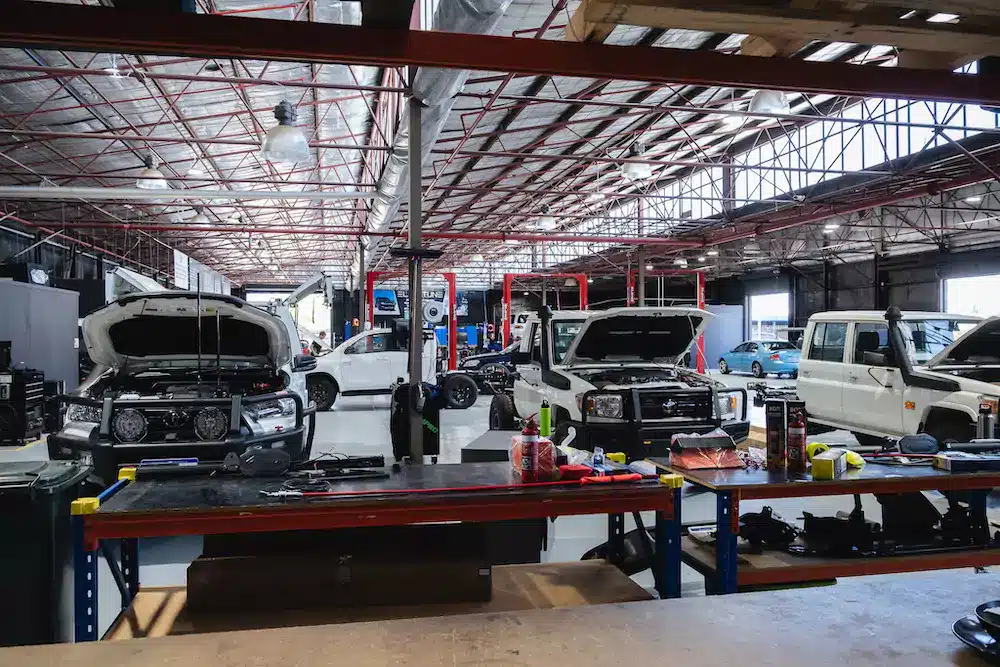
Inconsistent fit-outs create chaos.
One vehicle has a cheap LED light bar. Another has compliant emergency lighting. One has a proper brake controller. Another has a wiring nightmare behind the dash.
Standardise.
For fleets that tow, all vehicles should use the same spec electric brake controller. If you’re unsure how these systems operate, this guide on how electric trailer brakes work explains why correct installation matters.
If vehicles are heading remote, dual battery systems should be consistent across the fleet. Choosing the right setup isn’t guesswork. It’s about load demand, accessory use, and charging capability.
When every vehicle follows the same blueprint:
- Training is easier
- Repairs are quicker
- Downtime reduces
- Compliance improves
4. Invest in Diagnostics and Data
Modern fleet management is data-driven.
Electrical diagnostics are no longer just about fixing faults. They’re about identifying trends.
Professional auto diagnostics allow you to:
- Detect voltage irregularities
- Identify parasitic drains
- Check fault history
- Monitor sensor performance
- Prevent intermittent issues
When managing a fleet, one random electrical issue is bad luck. The same issue across three vehicles is a pattern.
Fleet managers who track electrical health reduce major failures.
5. Prioritise Compliance and Safety
Compliance is not optional. Especially in WA’s mining and construction sectors.
Mining fleets must meet strict mine spec vehicle requirements. If you’ve ever looked into what a mine spec vehicle actually is, you’ll know lighting, isolation switches, battery mounts and wiring protection all matter.
Poor installations lead to:
- Failed audits
- Site rejection
- Insurance issues
- Safety risks
We regularly work on mine spec vehicle fit-outs for fleets operating in heavy industries. Correct cable routing, compliant lighting, emergency systems and isolation points are not “nice to have”. They’re essential.
6. Upgrade Lighting for Visibility and Safety
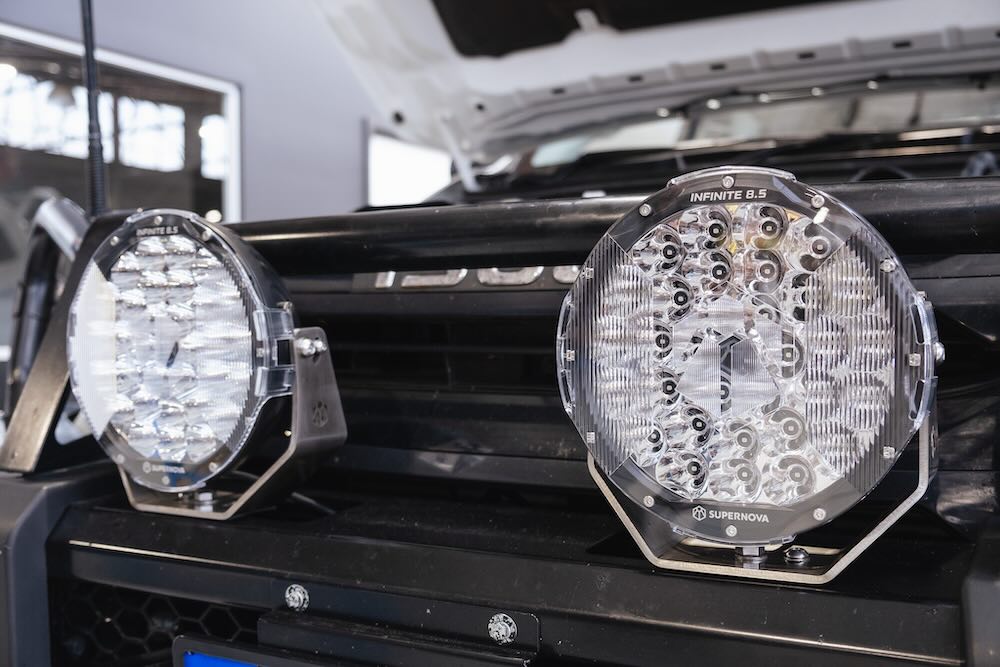
Lighting is one of the most overlooked fleet upgrades.
Good lighting improves:
- Night visibility
- Driver safety
- Compliance
- Worksite awareness
Understanding the difference between LED spotlights vs halogen helps fleet managers make better decisions on durability and power consumption.
For traffic or emergency vehicles, compliant lighting standards must be met. Incorrect light positioning or non-compliant colours can lead to serious issues.
Fleet management means thinking about what happens at 2am on a dark worksite.
7. Manage In-Vehicle Technology Properly
Modern fleets rely heavily on tech:
- Dash cams
- Reverse cameras
- GPS tracking
- UHF radios
- Starlink systems
- Alcohol interlocks
Poor wiring leads to battery drain, blown fuses and electrical fires.
If you’re adding monitoring systems, understand how dash cams work and ensure professional installation. Hidden wiring and proper fuse protection make the difference between a clean job and a future headache.
For remote fleets, reliable communication is critical. Choosing between UHF and VHF radios depends on terrain and use case.
Technology improves fleet management, but only if it’s installed correctly.
8. Plan for EV and Hybrid Fleet Integration
EV fleets are growing fast.
Managing electric vehicles requires a different mindset.
You need to understand:
- High voltage systems
- Thermal management
- Battery cooling
- Air conditioning integration
- Charging infrastructure
EV air conditioning plays a major role in battery health. In fact, EV battery performance is directly linked to correct thermal management.
If you’re managing EVs, read about how electric cars are serviced. They still require electrical inspections and system checks.
Fleet managers who treat EVs like petrol vehicles run into problems.
9. Reduce Downtime With Field Servicing
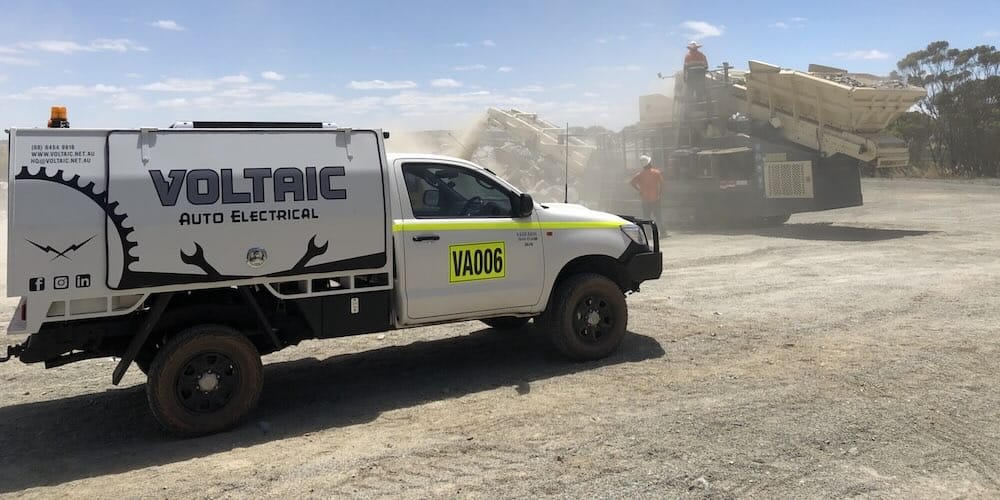
Downtime kills productivity.
For fleets operating across Perth or remote WA, mobile field servicing keeps vehicles operational without unnecessary workshop visits.
Emergency, urgent and planned works should all be part of your fleet strategy.
Instead of waiting for a breakdown, schedule:
- On-site inspections
- Batch servicing
- Rolling upgrades
- Compliance checks
This is especially important for heavy-duty fleets and mobile plant.
To learn more about how to keep your fleet up and running for longer, read our blog on fleet downtime minimisation strategies.
10. Track Costs Properly
If you want to truly understand how to manage a fleet of vehicles, you must track:
- Electrical repair costs
- Battery replacement cycles
- Air conditioning repairs
- Lighting upgrades
- Accessory installations
- Breakdown frequency
For example, knowing the true cost of a dual battery system helps you forecast capital expenditure.
Without cost tracking, you’re guessing.
With data, you’re managing.
11. Choose the Right Electrical Partner
Fleet management is easier when you have a specialist auto electrical partner.
Look for:
- Dual-trade qualifications
- Heavy-duty experience
- EV capability
- Mine-spec expertise
- Transparent pricing
- Emergency availability
At Voltaic, our team is led by a dual-trade heavy-duty mechanic and auto electrician in Perth with over 20 years of experience. We work across everything from Teslas to trucks.
Managing a fleet is not about finding the cheapest electrician. It’s about preventing failures before they happen.
Sort Your Fleet Servicing
Fleets fail electrically before they fail mechanically.
Manage the electrics properly, and the rest becomes easier.
If you’re running a fleet in Perth and want to tighten up reliability, compliance and downtime, speak with our fleet service specialists and build a proper electrical strategy before your next breakdown decides for you.