

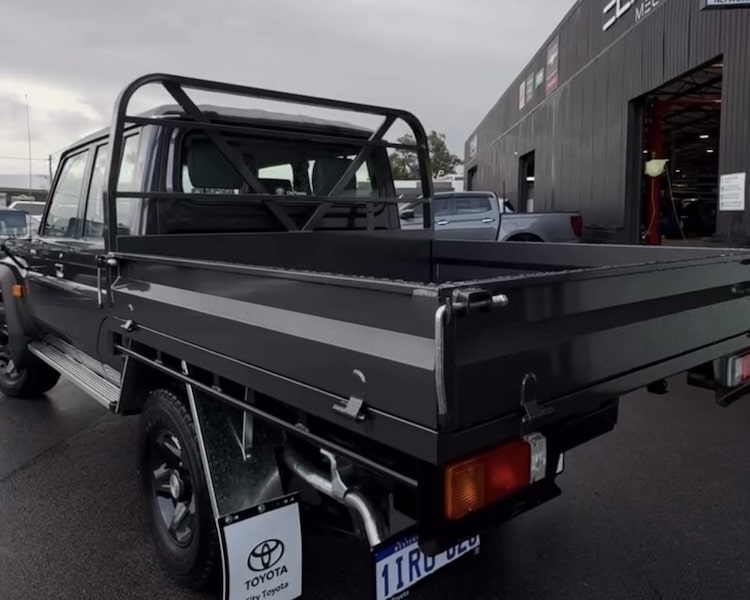
In mining, roll-over protection is the system used to protect operators and occupants if a vehicle or piece of plant overturns. That includes ROPS (Roll-Over Protective Structures), seatbelts, correct installation, and ongoing inspection.
On mine sites, this applies to more than just heavy machinery. Utes, 4WDs, and SUVs often require rollover protection as well, especially when operating on haul roads, steep terrain, or high-risk areas.
For us, the key point is simple. Roll over protection is not just about bolting on a structure. It is about building a vehicle or machine that stays stable, protects its occupants, and meets site requirements in real working conditions.
Quick Summary
- Roll Over Protection Includes ROPS, Seatbelts, Installation, and Ongoing Maintenance
- Applies To Both Heavy Equipment and Light Vehicles on Mine Sites
- Heavy Plant Follows Standards Like AS 2294
- Light Vehicles Are Driven by Site Risk Assessments and HSE Rules
- Many Sites Require Certified ROPS for High-Risk Utes and 4WDs
- Tray Design, Load Setup, and Fit-Out Directly Affect Stability
- Documentation and Inspection Are Critical for Site Access
What Vehicles Need Roll-Over Protection?
When people think about rollover protection, they usually picture dozers or haul trucks. That is only part of the story.
On site, rollover risk applies across:
- Loaders, Dozers, and Graders
- Haul Trucks and Drill Rigs
- Underground Mobile Plant
- Light Vehicles Like Utes and 4WDs
- Specialised Vehicles Like Explosives Transport
Each category has different requirements, but the goal is always the same. Protect the operator and reduce the risk of serious injury if something goes wrong.
Types Of ROPS
Not all ROPS are the same. The type used depends on the machine, how it is operated, and the risks on site.
In mining, we generally deal with four main types.
Fixed ROPS
Fixed ROPS are permanently attached to the machine or vehicle and cannot be folded or removed without tools.
These are the most common type on heavy mining equipment like loaders, dozers, and graders. They are designed as part of the machine or installed as a permanent structure.
Key points:
- Always In Place And Ready
- Designed For Maximum Strength And Protection
- Common On Heavy Plant
- No Risk Of Being Left Folded Down
For high-risk environments, fixed ROPS are usually the preferred option because there is no reliance on operator setup.
Folding ROPS
Folding ROPS can be lowered or folded down when needed, usually for transport, storage, or working in low-clearance areas.
You will sometimes see these on:
- Smaller Plant
- Agricultural Equipment
- Light Vehicles In Specific Applications
The risk here is simple. If the ROPS is left folded down during operation, it offers no protection.
Key points:
- Useful For Low Clearance Situations
- Must Be Locked In Upright Position During Operation
- Higher Risk If Misused
- Requires Clear Operator Procedures
On mine sites, folding ROPS are generally less common unless there is a specific operational need.
Integrated ROPS (Cabin ROPS)
Integrated ROPS are built into the cabin or frame of the machine itself.
Most modern mining equipment comes with this type of design from the factory.
Key points:
- Built Into The Machine Structure
- Designed And Tested As One System
- Common On Modern Heavy Equipment
- Often Combined With FOPS
This is the most robust and reliable setup because everything is engineered together from the start.
External Or Aftermarket ROPS (Light Vehicles)
This is where most mine-spec utes and 4WDs come into the picture.
External ROPS are added to vehicles that were not originally designed with rollover protection, such as:
- Toyota LandCruisers
- Hiluxes
- Other Mine-Spec 4WDs
- These systems are engineered and installed to meet site requirements and rollover risk conditions.
Key points:
- Common On Light Vehicles In Mining
- Must Be Properly Engineered And Certified
- Typically Mounted To Chassis Or Reinforced Points
- Requires Documentation And Compliance Plates
This is also where we see the biggest variation in quality.
A properly designed system will work with the vehicle, tray, and load setup. A poor one can create new risks or fail compliance checks.
Custom ROPS-Integrated Builds
For specialised mining applications, ROPS is often part of a larger engineered setup.
This includes custom tray builds and vehicle configurations, especially for:
- Explosives Vehicles
- Service Bodies
- High-Risk Transport Vehicles
We build custom ROPS-certified trays where the structure, tray, and load setup are designed together.
Key points:
- Designed As A Complete System
- Supports Correct Weight Distribution
- Maintains Structural Integrity
- Critical For High-Risk Applications
In these cases, the ROPS is not just an add-on. It is part of how the entire vehicle is engineered to perform safely.
Choosing The Right Type
The right ROPS depends on:
- The Type Of Equipment
- The Operating Environment
- Site Requirements
- Load And Vehicle Setup
For heavy plant, it is usually integrated or fixed.
For light vehicles, it is often external and engineered to suit the application.
Either way, the goal is the same: Keep the operator protected and maintain a survivable space in a rollover.
Roll Over Protection for Heavy Mining Equipment
For heavy machinery, rollover protection is well defined.
Most earth-moving plant must comply with standards like AS 2294, which covers ROPS and FOPS design and performance.
These machines are built with integrated protective structures designed to:
- Maintain Operator Survival Space
- Absorb and Distribute Impact Loads
- Prevent Cabin Collapse
On this side of mining, the structure is usually part of the machine from factory or engineered as part of the overall design.
Roll Over Protection for Light Vehicles on Mine Sites
This is where things get more interesting.
Utes, LandCruisers, Hiluxes, and other 4WDs are not classified as earth-moving machinery, but they are still exposed to rollover risks on site.
Because of that, many operators require ROPS to be fitted to light vehicles when:
- Operating on Haul Roads
- Working on Steep or Uneven Terrain
- Carrying Loads That Affect Stability
- Used in High-Risk Areas or Remote Work
Unlike heavy equipment, there is no single Australian standard specifically for light vehicle ROPS in mining. Instead, compliance is driven by:
- Site-Specific Risk Assessments
- Operator HSE Requirements
- Internal Engineering Protocols
- Adapted Standards Like ISO 3471 (ROPS) and ISO 3449 (FOPS)
This is why you will often see aftermarket ROPS systems fitted to utes and 4WDs on site.
What Makes a Light Vehicle ROPS Compliant?
Not all ROPS setups are equal.
For light vehicles, compliance usually comes down to:
- Certified Design and Testing
- Correct Mounting to the Chassis
- Load Ratings That Match Real Conditions
- No Interference With Airbags or Vehicle Safety Systems
- Certification Plates and Documentation
Some engineering protocols use load testing such as:
- 4x Vehicle Mass Vertical Load
- 1x Forward and Rear Load
- 1.5x Side Load
- Limited Structural Deflection
If the system cannot demonstrate this level of performance, it will not pass site requirements.
Why Tray Design Plays a Massive Role
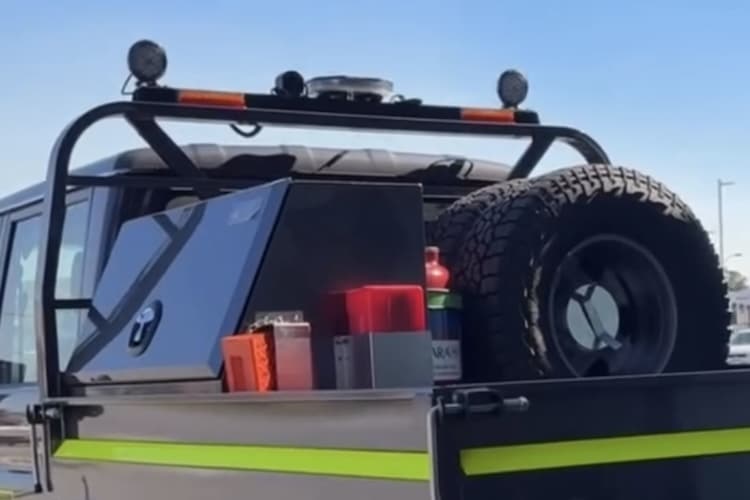
This is where we see one of the biggest gaps on site.
A lot of people focus on the ROPS itself but ignore what sits underneath it.
Tray design directly affects rollover risk.
That includes:
- Weight Distribution
- Centre of Gravity
- Mounting Points
- Load Position
- Structural Integration With the Vehicle
We build custom ROPS-certified trays for specialised applications, including explosives vehicles and high-risk transport setups.
These builds are designed so the tray, the load, and the structure all work together. Not against each other.
A poorly designed tray can make a compliant ROPS less effective. A properly engineered tray supports stability and improves the overall safety system.
Installation and Modifications: Where Things Go Wrong
Most rollover protection issues are not caused by the structure itself. They come from what happens after.
Common problems include:
- Incorrect Mounting
- Unauthorised Modifications
- Cutting or Welding the Structure
- Adding Accessories That Interfere With Operation
- Poor Integration With Other Equipment
On light vehicles especially, we often see bullbars, trays, or accessories installed without considering how they affect structure and stability.
That is why proper fit-out matters.
Inspection, Maintenance, and Site Compliance
Having ROPS fitted is not enough to get on site.
Most mine sites require:
- Pre-Start Inspections
- Visible Condition Checks
- Certification Plates
- Documentation on File
- Proof of Maintenance
If anything looks off, even minor damage, the vehicle can be turned away at the gate.
This applies heavily to light vehicles, where structures are often aftermarket and need regular verification.
How Auto Electrical Fit-Outs Support Safer Operation
While rollover protection is structural, auto electrical work plays a key role in reducing risk.
Visibility
Cameras and lighting improve awareness and reduce poor manoeuvres.
This ties directly into reverse camera installation.
Communication
Reliable comms reduce isolation and improve response times.
That is why UHF radio installation is standard on mine vehicles.
Integration
Clean installs reduce clutter, improve usability, and support safer operation.
Learn more: Essential electrical upgrades for mining vehicles.
Where Mine-Spec Fit-Outs Tie It All Together
Roll over protection does not exist in isolation.
It sits alongside everything else required for a compliant vehicle.
That includes:
- Lighting
- Communications
- Isolation Systems
- Safety Equipment
- Structural Modifications
- Load Setup
This is why understanding what is a mine spec vehicle and broader mine spec vehicle requirements is so important.
For larger operations, aligning with site rules like BHP mine spec vehicle requirements is critical for access.
Common Mistakes We See on Site
Assuming Light Vehicles Do Not Need ROPS
Many do, depending on risk and site rules.
Treating ROPS as a Standalone Add-On
The full system matters, including trays and load setup.
Ignoring Certification and Documentation
No paperwork often means no site access.
Poor Tray or Load Design
This is one of the biggest contributors to instability.
Modifying Structures After Installation
Even small changes can compromise compliance.
How to Reduce Roll Over Risk
The goal is not just protection. It is prevention.
Focus on:
- Correct Vehicle Setup
- Proper Load Placement
- Stable Tray Design
- Operator Awareness
- Safe Driving Practices
- Regular Inspection
- Quality Fit-Out Work
Everything works together.
Why This Matters for Fleet and Mining Vehicles
For us, this is what fleet services and mine-spec fit-outs are really about.
We are not just installing parts. We are building vehicles that:
- Stay Stable
- Meet Site Requirements
- Pass Inspections
- Handle Real Conditions
From light vehicles to specialised builds, rollover protection is part of the bigger picture.
Conclusion
So, what is roll over protection?
It is the system that protects people when a vehicle or machine overturns. But more importantly, it is part of how that vehicle is designed, built, and used on site.
On modern mine sites, this applies just as much to utes and 4WDs as it does to heavy machinery.
Get it right, and your vehicle is safer, compliant, and ready for work. Get it wrong, and it may not even make it through the gate.
FAQs
Do Light Vehicles Need ROPS on Mine Sites?
Often yes, depending on site risk assessments and operating conditions.
Is There an Australian Standard for Light Vehicle ROPS?
No single dedicated standard. Compliance is based on site rules, engineering protocols, and adapted standards.
Why Do Trays Affect Roll Over Risk?
They change weight distribution and centre of gravity.
Can You Install Aftermarket ROPS?
Yes, but it must be properly engineered, certified, and documented.
What Happens if ROPS Is Damaged?
The vehicle may be removed from service until it is inspected and cleared.